Why Ice, Heat & Home Remedies Fall Short for Neuropathy and What WorksWhy Ice, Heat, and Home Remedies Don’t Always Work for Neuropathy — And What Does
Discover why ice and heat fail for neuropathy and explore effective nerve pain treatment in…
Explore expert tips, treatment insights, and health advice from the team at Cleveland pain specialists Our blog helps you better understand pain conditions and discover effective ways to improve your quality of life.
Discover why ice and heat fail for neuropathy and explore effective nerve pain treatment in…
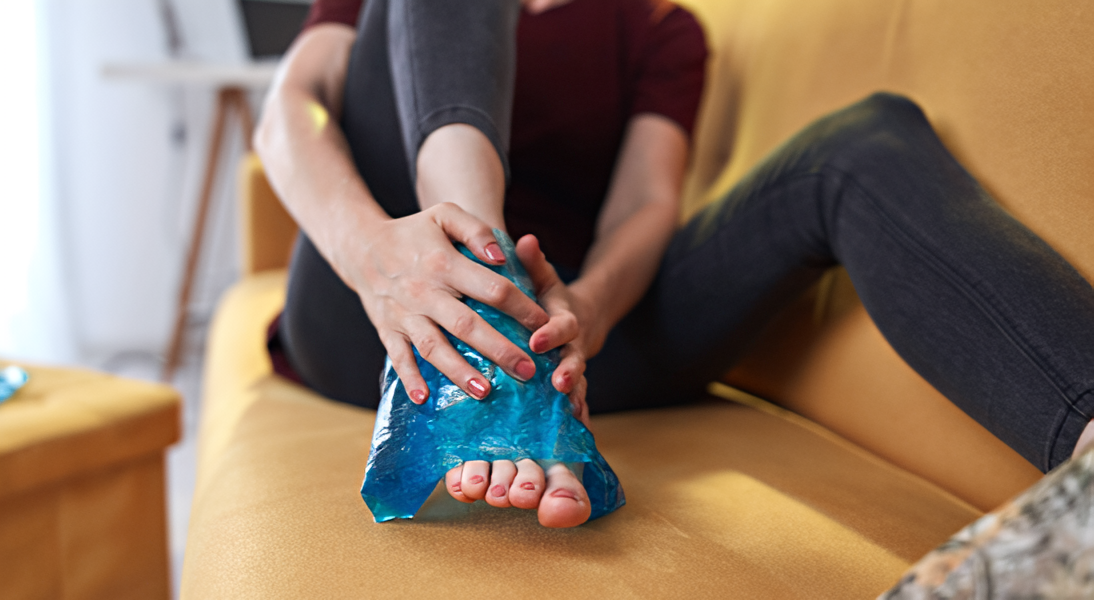
Learn how neuropathy affects balance and discover treatment options in Cleveland, Ohio.
Learn how to know when it’s time to see a pain management specialist and explore…

Learn why chronic pain flare-ups happen and how professional pain management in Cleveland helps stabilize…

Discover how long-term pain medication monitoring in Cleveland ensures safety, stability, and real improvement for…

Discover why medication alone isn’t enough for chronic pain and how multimodal pain management in…

Learn the truth about trigger point injections and discover safe, effective pain relief options in…

Learn why muscle knots return and how trigger point injections in Parma, Ohio offer long-lasting…

Discover non-surgical treatments for hip arthritis pain in Parma, Ohio at Cleveland Pain Specialists.

Discover proven non-surgical treatments and therapy for chronic neck pain in Parma, Ohio at Cleveland…
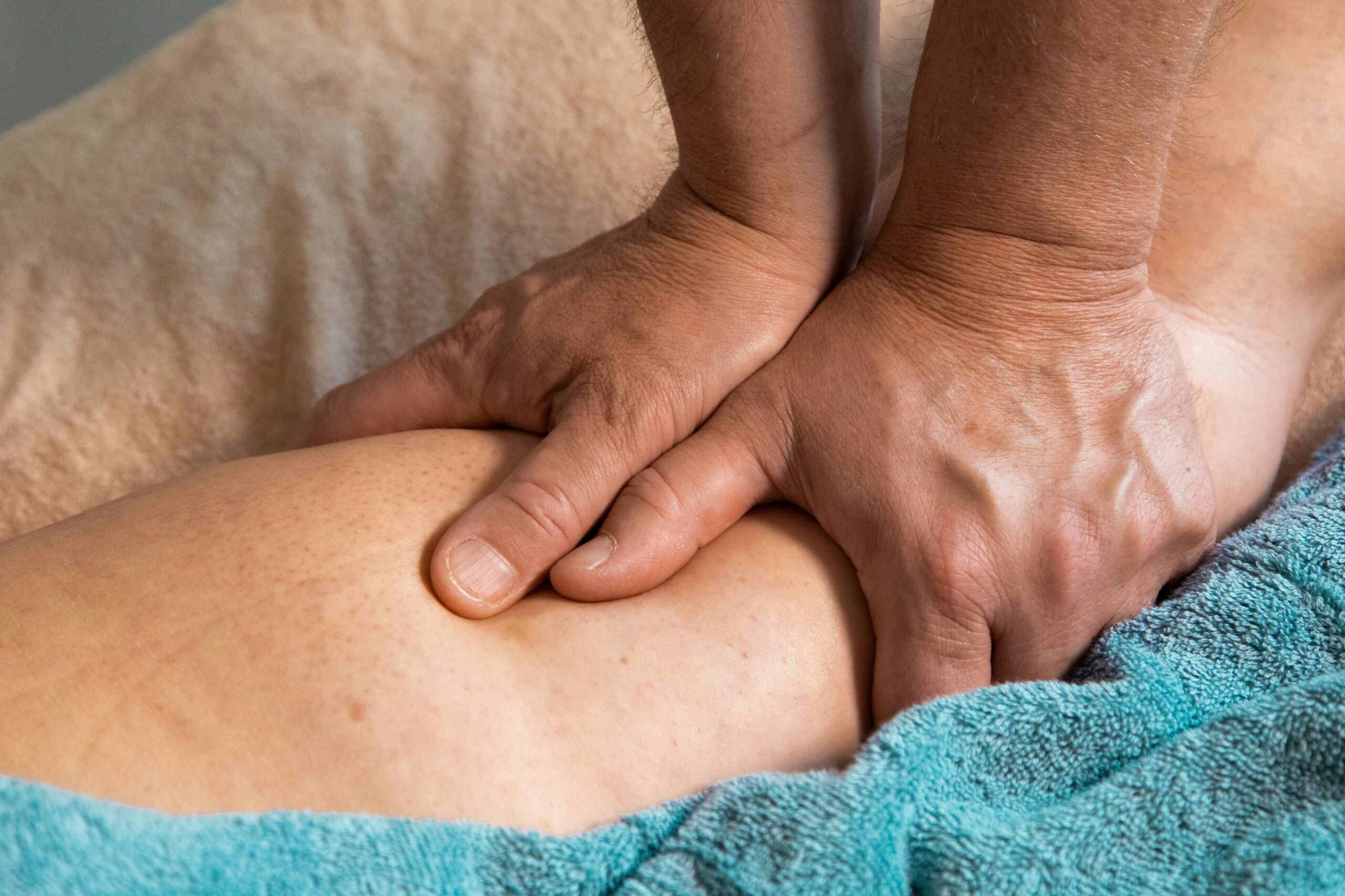
Learn how Cleveland Pain Specialists treat sharp shooting leg pain caused by sciatica. Find relief…
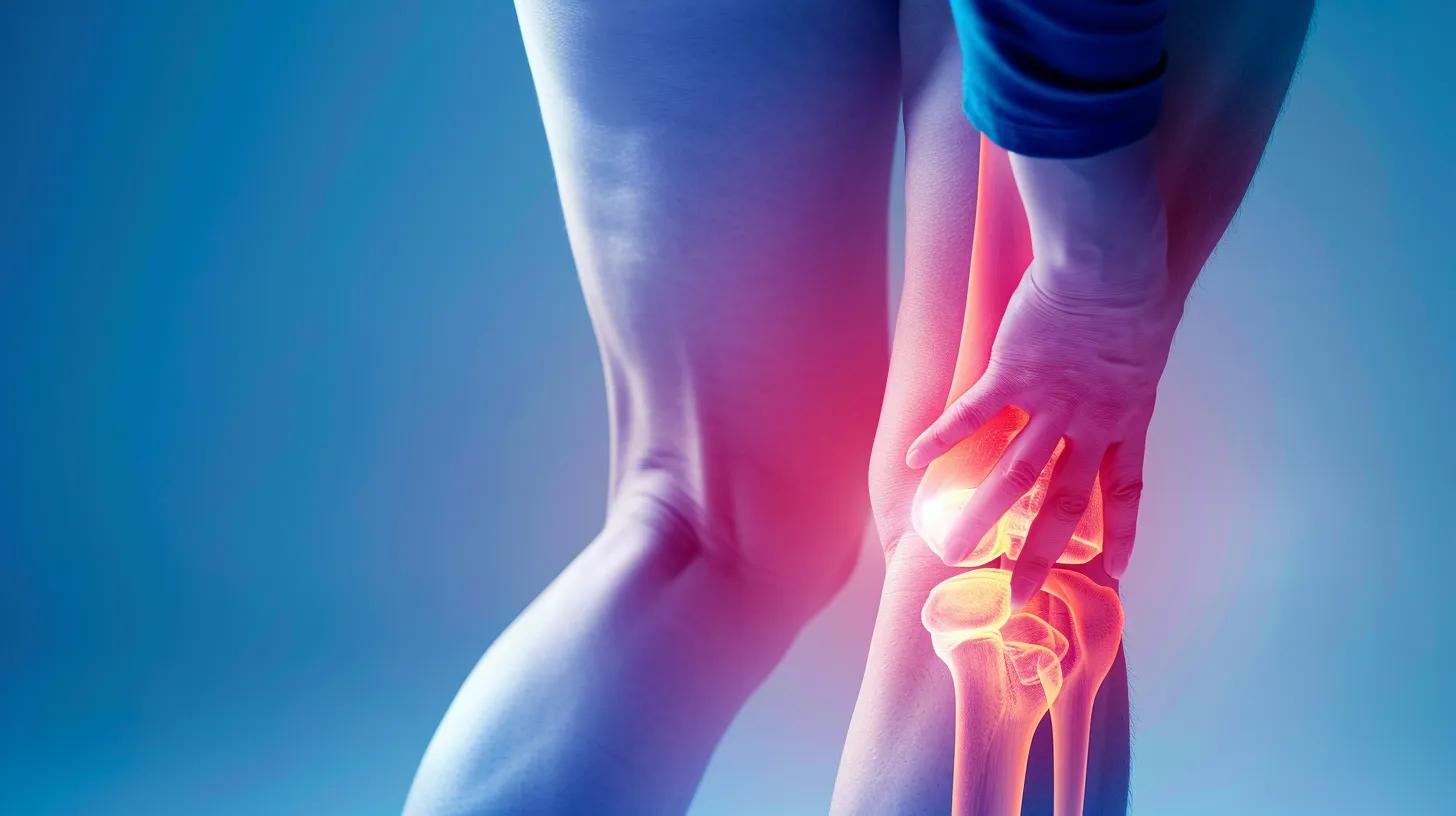
Discover how Cleveland Pain Specialists treat knee pain caused by arthritis. Get effective, non-surgical solutions…

Discover causes of headaches and effective treatment options at Cleveland Pain Specialists. Get expert care…

Learn how anxiolytic medications can help manage anxiety linked to chronic pain. Discover safe treatment…
We’re here to help you make an informed, confident decision. Below are answers to common…

Peripheral neuropathy can be a frustrating, painful, and life-altering condition. Whether caused by diabetes, injury,…
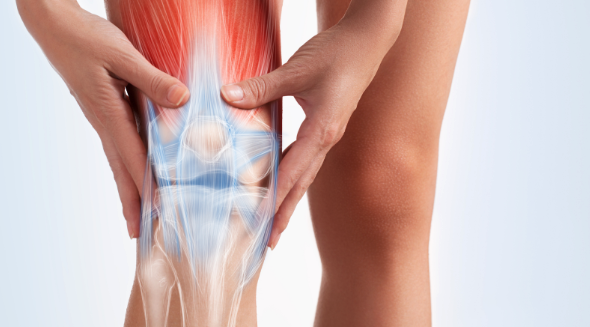
Natural alternatives to surgery for knee, hip, and shoulder pain Joint replacement surgery can be…
According to a recent article in Pain Medicine, Dr. Lynn Webster found that sleep disordered breathing…
Spinal Cord Stimulation (SCS), when combined with conventional medication management, is a cost-effective approach to treating…
Currently there are an estimated 10 million people in the United States that suffer from…

There are many foods that aggravate peripheral neuropathy. Foods like gluten, refined grains, added sugar, saturated fat,…
Cleveland Pain Specialists
Providing compassionate, expert care for chronic and acute pain management. Your comfort is our priority.
© Copyright Cleveland Pain Specialists & Steven Kozmary, M.D. Privacy Policy | Terms & Conditions.
Chronic pain can manifest in various forms, affecting individuals differently based on the underlying causes. Common types include neuropathic pain, musculoskeletal pain, and inflammatory pain, each requiring specific approaches to treatment and management.
For instance, neuropathic pain often arises from nerve damage and may require medications like anticonvulsants or antidepressants, while musculoskeletal pain might respond better to physical therapy and exercise. Identifying the type of pain is crucial for developing an effective treatment plan tailored to the patient's needs.
As the field of pain management evolves, new techniques are emerging that go beyond conventional methods like medication and surgery. These innovative approaches include techniques such as cognitive-behavioral therapy, acupuncture, and biofeedback, which aim to address pain from multiple angles.
For example, cognitive-behavioral therapy helps patients develop coping strategies and modify their response to pain, while acupuncture targets specific points in the body to alleviate discomfort. Integrating these methods can enhance overall treatment effectiveness and improve patients' quality of life.
Hearing from patients who have successfully managed their pain can provide hope and encouragement to others facing similar challenges. These success stories often highlight the importance of personalized treatment plans and the role of healthcare professionals in guiding patients toward recovery.
For instance, a patient who struggled with chronic back pain might share how a combination of physical therapy, medication, and lifestyle changes led to significant improvements in their daily life. Such narratives not only inspire others but also emphasize the effectiveness of comprehensive pain management strategies.
Lifestyle changes play a pivotal role in managing chronic pain effectively. Factors such as diet, exercise, and stress management can significantly influence pain levels and overall well-being. Incorporating healthy habits can lead to better pain control and improved quality of life.
For example, adopting a diet rich in anti-inflammatory foods, engaging in regular physical activity, and practicing mindfulness techniques can help reduce pain symptoms and enhance emotional resilience. Patients are encouraged to work with their healthcare providers to create a holistic approach that addresses both physical and emotional aspects of pain management.