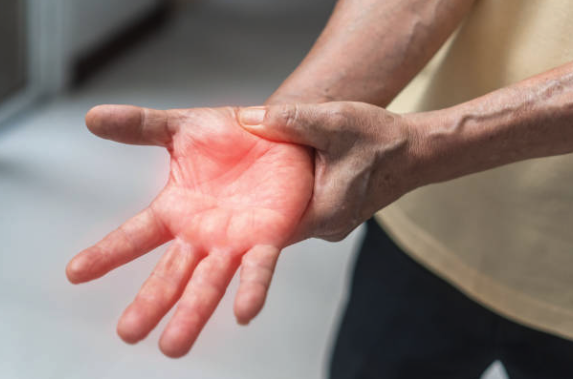
Peripheral neuropathy can be a frustrating, painful, and life-altering condition. Whether caused by diabetes, injury, surgery, or unknown reasons, neuropathy can lead to burning pain, numbness, tingling, weakness, and a decline in quality of life. Fortunately, regenerative therapies like Wharton’s Jelly injections are offering new hope to those looking for non-surgical solutions. What Is Wharton’s […]
Neuropathy, or peripheral nerve damage, can result from various factors including diabetes, trauma, infections, and autoimmune diseases. Understanding the underlying causes is essential for effective treatment and management.
Common symptoms of neuropathy include burning pain, numbness, tingling sensations, and muscle weakness. These symptoms can significantly impact daily activities and overall quality of life, making early diagnosis and intervention crucial for improving patient outcomes.
Benefits of Regenerative Therapies for Neuropathy
Regenerative therapies, such as Wharton’s Jelly injections, offer a promising alternative for neuropathy treatment. These therapies aim to repair and regenerate damaged nerves, potentially reversing symptoms and improving function.
Patients have reported significant improvements in pain levels and mobility following regenerative treatments. These therapies harness the body’s natural healing processes, making them a compelling option for those seeking non-surgical pain management solutions.
Comparing Traditional vs. Regenerative Treatments
Traditional neuropathy treatments often focus on symptom management through medications, physical therapy, or surgery. However, regenerative treatments address the root cause by promoting nerve healing and regeneration.
While traditional methods may provide temporary relief, regenerative therapies can lead to long-term improvements in nerve function. Understanding the differences can help patients make informed decisions about their treatment options.
Patient Success Stories: Regenerative Treatments in Action
Many patients have experienced transformative results from regenerative therapies for neuropathy. These success stories highlight the potential of innovative treatments in restoring quality of life.
For instance, one patient reported a significant reduction in pain and improved mobility after undergoing Wharton’s Jelly injections. Such testimonials underscore the effectiveness of regenerative therapies and provide hope for those suffering from neuropathy.
Neuropathy, or peripheral nerve damage, can result from various factors including diabetes, trauma, infections, and autoimmune diseases. Understanding the underlying causes is essential for effective treatment and management.
Common symptoms of neuropathy include burning pain, numbness, tingling sensations, and muscle weakness. These symptoms can significantly impact daily activities and overall quality of life, making early diagnosis and intervention crucial for improving patient outcomes.
Benefits of Regenerative Therapies for Neuropathy
Regenerative therapies, such as Wharton’s Jelly injections, offer a promising alternative for neuropathy treatment. These therapies aim to repair and regenerate damaged nerves, potentially reversing symptoms and improving function.
Patients have reported significant improvements in pain levels and mobility following regenerative treatments. These therapies harness the body’s natural healing processes, making them a compelling option for those seeking non-surgical pain management solutions.
Comparing Traditional vs. Regenerative Treatments
Traditional neuropathy treatments often focus on symptom management through medications, physical therapy, or surgery. However, regenerative treatments address the root cause by promoting nerve healing and regeneration.
While traditional methods may provide temporary relief, regenerative therapies can lead to long-term improvements in nerve function. Understanding the differences can help patients make informed decisions about their treatment options.
Patient Success Stories: Regenerative Treatments in Action
Many patients have experienced transformative results from regenerative therapies for neuropathy. These success stories highlight the potential of innovative treatments in restoring quality of life.
For instance, one patient reported a significant reduction in pain and improved mobility after undergoing Wharton’s Jelly injections. Such testimonials underscore the effectiveness of regenerative therapies and provide hope for those suffering from neuropathy.