
Sharp Shooting Leg Pain from Sciatica in Parma, Ohio
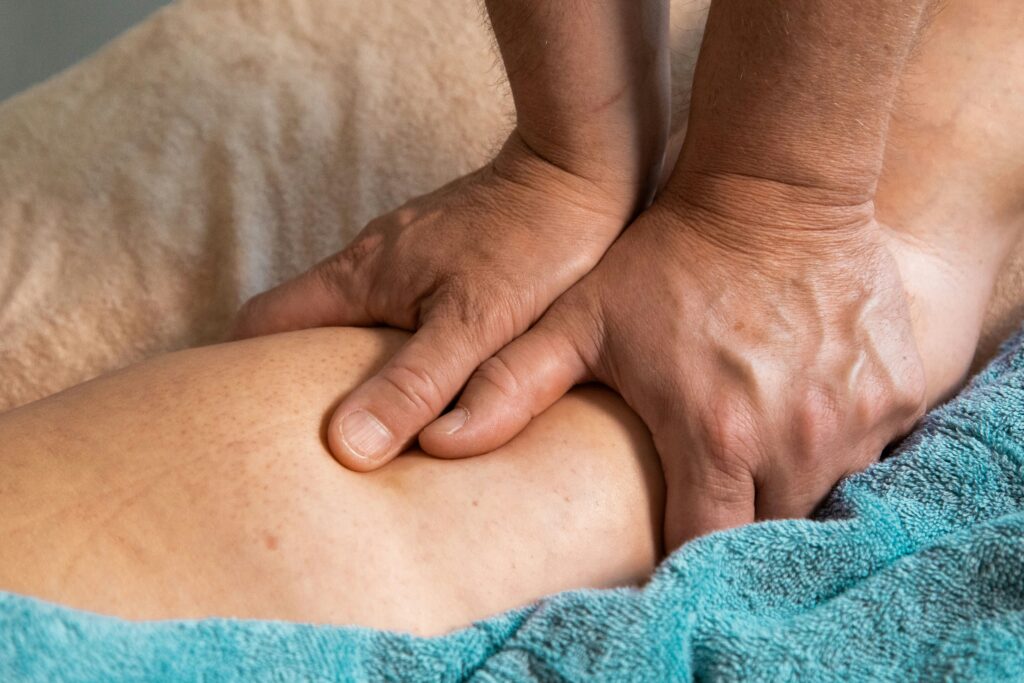
Learn how Cleveland Pain Specialists treat sharp shooting leg pain caused by sciatica. Find relief in Parma, Ohio with expert care.
Knee Pain Treatment for Arthritis in Parma, Ohio

Discover how Cleveland Pain Specialists treat knee pain caused by arthritis. Get effective, non-surgical solutions in Parma, Ohio
Effective Headache Pain Treatment in Parma, Ohio

Discover causes of headaches and effective treatment options at Cleveland Pain Specialists. Get expert care for migraines, neuralgia, and more in Parma, Ohio.
Anxiolytic Medications for Chronic Pain Relief

Learn how anxiolytic medications can help manage anxiety linked to chronic pain. Discover safe treatment options at Cleveland Pain Specialists in Parma, Ohio.
EXM Therapy – Patient FAQ – Considering EXM Therapy?

We’re here to help you make an informed, confident decision. Below are answers to common questions about EXM therapy, from how it works to what to expect. 1. What is EXM therapy? EXM (Expanded Matrix) therapy is a regenerative treatment that uses amniotic-derived extracellular matrix to support the body’s natural healing process. It’s designed to […]
Regenerative Treatment for Peripheral Neuropathy with Wharton’s Jelly

Peripheral neuropathy can be a frustrating, painful, and life-altering condition. Whether caused by diabetes, injury, surgery, or unknown reasons, neuropathy can lead to burning pain, numbness, tingling, weakness, and a decline in quality of life. Fortunately, regenerative therapies like Wharton’s Jelly injections are offering new hope to those looking for non-surgical solutions. What Is Wharton’s […]
Avoiding Joint Replacement: The Role of Stem Cells, Wharton’s Jelly, and PRP Injections
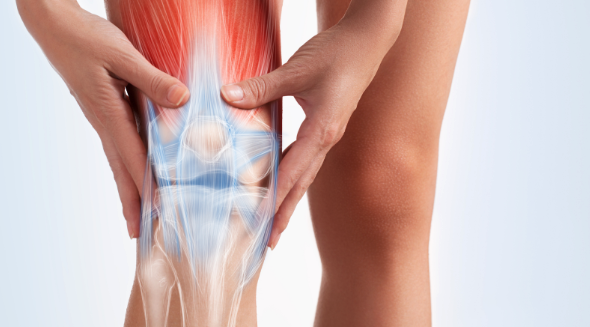
Natural alternatives to surgery for knee, hip, and shoulder pain Joint replacement surgery can be life-changing—but it’s not the right solution for everyone. Whether you’re concerned about the recovery time, surgical risks, or simply want to explore natural options first, there are powerful regenerative treatments that may help you avoid or delay joint replacement altogether. […]
Risk of Sleep Apnea Increased with Use of Opiate Medications

According to a recent article in Pain Medicine, Dr. Lynn Webster found that sleep disordered breathing was common in chronic pain patients taking prescribed opiates. There was also a direct relationship between central sleep apnea and methadone when combined with benzodiazepines. Opiates are used for severe and intractable pain in patients who have not responded to […]
Cost Effective Treatment of Failed Back Surgery Syndrome

Spinal Cord Stimulation (SCS), when combined with conventional medication management, is a cost-effective approach to treating pain resulting from a failed back surgery. The use of Spinal Cord Stimulation has been shown to decrease the medication costs associated with chronic opioid therapy, according to a study presented to the International Society for Pharmacoeconomics and Outcomes Research in 2013. […]
Osteoarthritis of the Knee

Currently there are an estimated 10 million people in the United States that suffer from knee osteoarthritis. It is one of the most common causes of disability in the United States. According to the American Academy of Orthopedic Surgeons, osteoarthritis of the knee is one of the five leading causes of disability among both men and women. […]